
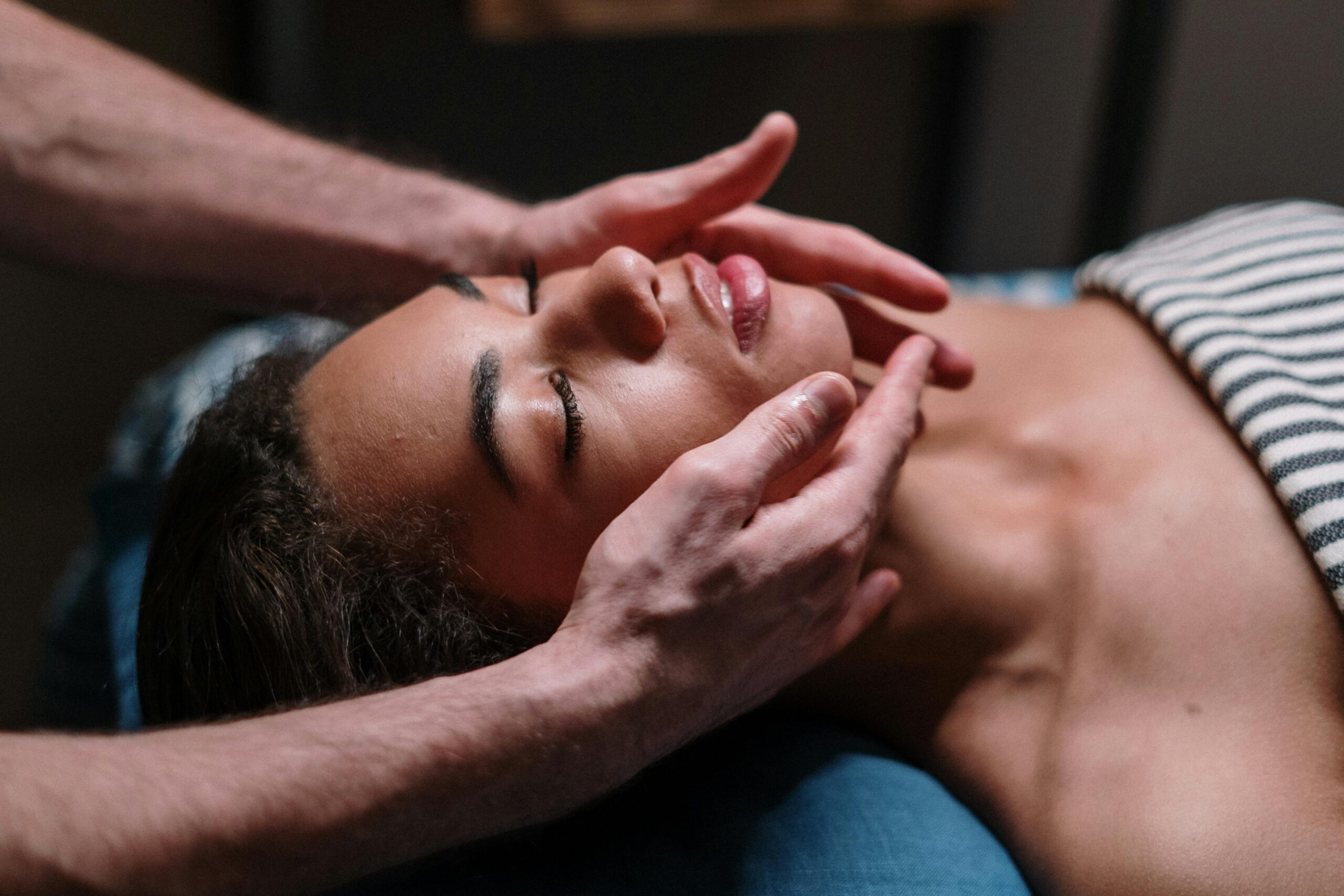
Many of us turn to massage therapy to relax, ease muscle tension, and improve overall well-being. But beyond its obviously soothing effects, research suggests that massage may also influence the body’s stress hormones.
Does massage affect cortisol levels directly, or does it just feel good? Let’s explore what cortisol is, how massage interacts with it, and other natural ways to keep stress in check. Keep reading below!
What Is Cortisol?
Cortisol is a hormone produced by the adrenal glands, often called the “stress hormone.” It plays an important role in regulating metabolism, immune function, and the body’s response to stress. When you face a challenging situation, cortisol levels rise, helping you stay alert and ready to respond.
While short-term cortisol spikes are normal, consistently high levels can take a toll on the body. Chronic stress and elevated cortisol are linked to sleep disturbances, weight gain, high blood pressure, weakened immunity, and increased risk of chronic disease.
That’s why finding healthy ways to balance cortisol levels is essential for long-term wellness.
Does Massage Affect Cortisol?
Yes, massage can affect cortisol in a positive way. Studies show that massage therapy lowers cortisol levels while boosting feel-good neurotransmitters like serotonin and dopamine. This combination not only reduces stress but also promotes a sense of relaxation and improved mood.
When you receive a massage, the body shifts from “fight or flight” mode to a calmer state known as “rest and digest.” This shift decreases cortisol production, allowing the nervous system to recover from stress.
Regular massage sessions may provide long-term benefits by helping the body regulate cortisol more effectively, reducing the negative impact of chronic stress. For people experiencing high stress, anxiety, or sleep problems, incorporating massage therapy into a wellness routine can be a valuable tool.
While massage is not a cure-all, it supports both physical and emotional health by addressing one of the body’s main stress hormones directly.
Other Natural Ways to Lower Cortisol
Massage is highly effective, but it works best when combined with other natural stress-management strategies. Here are a few proven ways to keep cortisol levels in check:
- Exercise: Moderate physical activity, such as walking, yoga, or swimming, helps regulate cortisol and boosts endorphins.
- Quality sleep: Consistently getting 7–9 hours of restful sleep allows the body to reset cortisol production.
- Balanced nutrition: A diet rich in whole foods, including fruits, vegetables, lean proteins, and healthy fats, supports hormone balance.
- Mindfulness and meditation: Deep breathing, meditation, and mindfulness practices calm the nervous system and reduce cortisol spikes.
- Social connection: Spending time with friends, family, or pets lowers stress and promotes emotional resilience.
Making small daily adjustments in lifestyle, along with regular massage, creates a strong foundation for better stress management.
Natural Stress Relief (That Feels Great Too)
So, does massage affect cortisol? Absolutely.
Massage therapy lowers cortisol levels, reduces stress, and enhances relaxation, making it a powerful tool for maintaining balance in both body and mind. Combined with healthy sleep, exercise, nutrition, and mindfulness, massage supports long-term wellness and resilience against the effects of chronic stress.
Ready to destress and lower your cortisol levels? Click here to book your next massage at our relaxing studio in Avon, Colorado.