
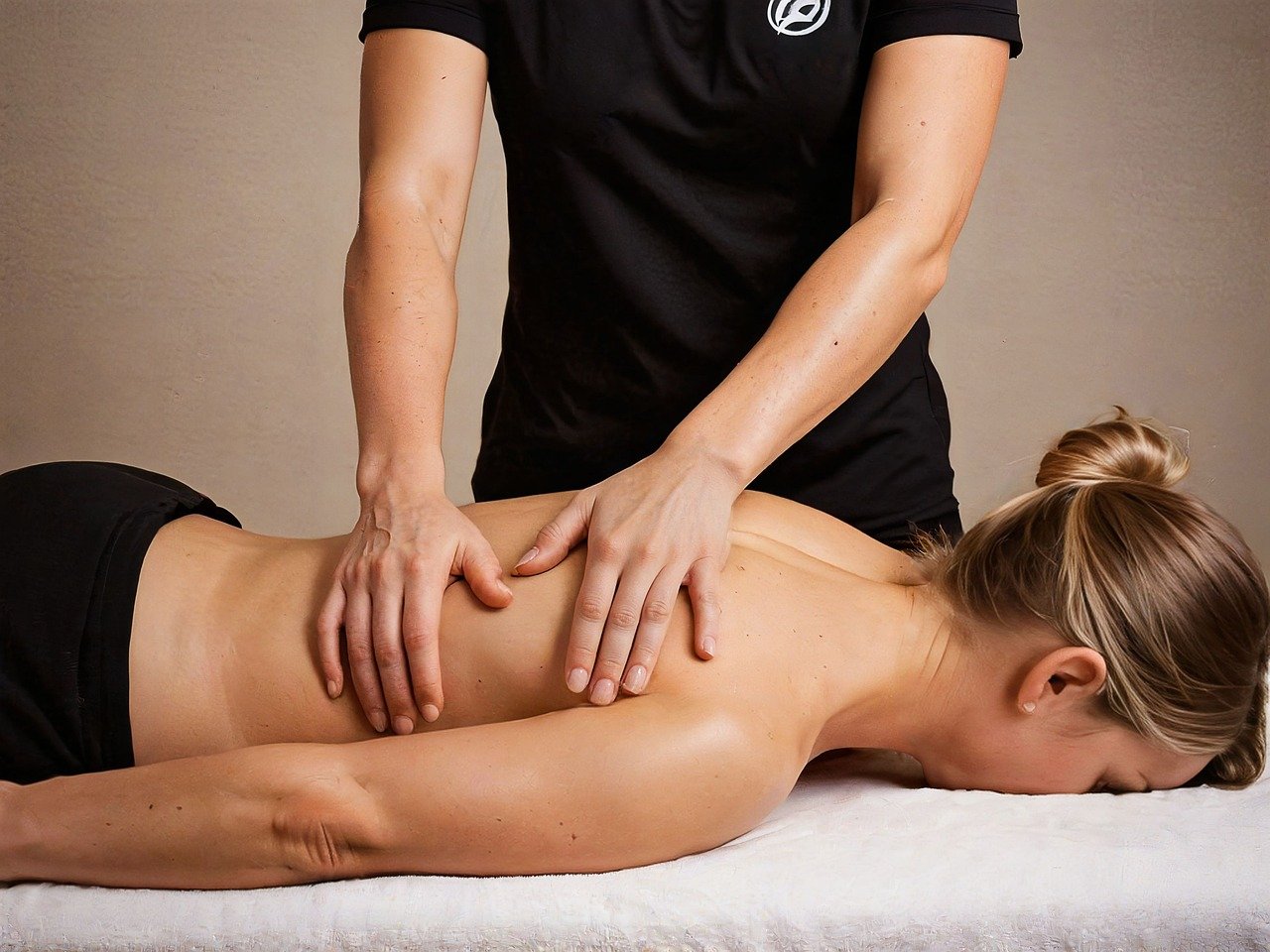
Whether you’re heading to the gym, hitting the hiking trails, or spending a full day skiing, massage can be a useful addition to an active lifestyle.
But there’s one question we hear frequently: is it better to get a massage before or after a workout?
The answer depends on what you want from your massage. Pre-workout and post-workout massage can both have benefits, but the timing, pressure, and techniques should be adapted to your activity and goals.
Keep reading below to learn more.
Can You Get a Massage Before a Workout?
Yes, but a massage immediately before exercise should generally look different from the deep, relaxing session you might schedule on a recovery day.
Before physical activity, the goal is typically to prepare the body for movement rather than deeply relax the muscles. A shorter session using lighter or moderate pressure and more stimulating techniques may help you feel loose and ready to move.
Pre-event sports massage may also focus specifically on the muscles you’re about to use. For a runner, that might mean the legs and hips. Before skiing or snowboarding, attention may be given to the quads, hamstrings, glutes, calves, and lower back.
However, immediately before a demanding workout probably isn’t the ideal time for intense deep tissue work. Deep pressure can sometimes leave muscles temporarily tender, which isn’t exactly what you want before asking them to perform at their best.
What Are the Benefits of Massage After a Workout?
For many active people, after exercise is the more natural time to schedule a massage.
A workout, long hike, ski day, or other strenuous activity can leave muscles feeling tired, tight, and sore. Post-workout massage may help reduce muscle soreness and promote relaxation during recovery.
Research has found that massage can provide some benefit for delayed-onset muscle soreness, commonly known as DOMS. This is the stiffness and soreness that may develop during the day or two following strenuous or unfamiliar exercise.
There’s another benefit that shouldn’t be overlooked: lying on a massage table feels pretty fantastic after you’ve spent the day working hard.
Should You Get Deep Tissue Massage After Exercise?
It depends on the timing and how your body feels.
If you’ve just finished an especially intense workout or endurance event, your muscles may already be fatigued and sensitive. Aggressive pressure immediately afterward may be uncomfortable rather than helpful.
A gentler recovery-focused massage may be more appropriate initially, while deeper therapeutic work can be scheduled later once your body has had some time to recover.
Always tell your massage therapist about recent workouts, soreness, injuries, or upcoming athletic events. That information helps them customize your treatment appropriately.
What About Massage on a Rest Day?
You don’t necessarily have to choose between massage before or after a workout. Scheduling massage on a recovery or rest day can offer the best of both worlds.
Your therapist can spend more time addressing chronically tight muscles without worrying about making you tender before an upcoming workout. This can be particularly helpful during periods of heavy training or an active ski, snowboard, hiking, or cycling season.
Regular massage can also encourage you to notice areas of tension and restriction before they begin interfering with your favorite activities.
Is Massage Better Before or After a Workout?
There isn’t one perfect answer.
Massage before exercise may help prepare you mentally and physically for activity, while massage after a workout can support relaxation and help ease post-exercise soreness. The best timing depends on your goals, activity level, and how your body responds to massage.
At Simply Massage in Avon, Colorado, our therapists can customize your session around your active lifestyle. Whether you’ve just finished a day on the mountain, you’re recovering from a tough workout, or you simply want to keep hardworking muscles feeling their best, we’re here to help.
Book your next massage at Simply Massage and give your body some well-earned recovery time.