
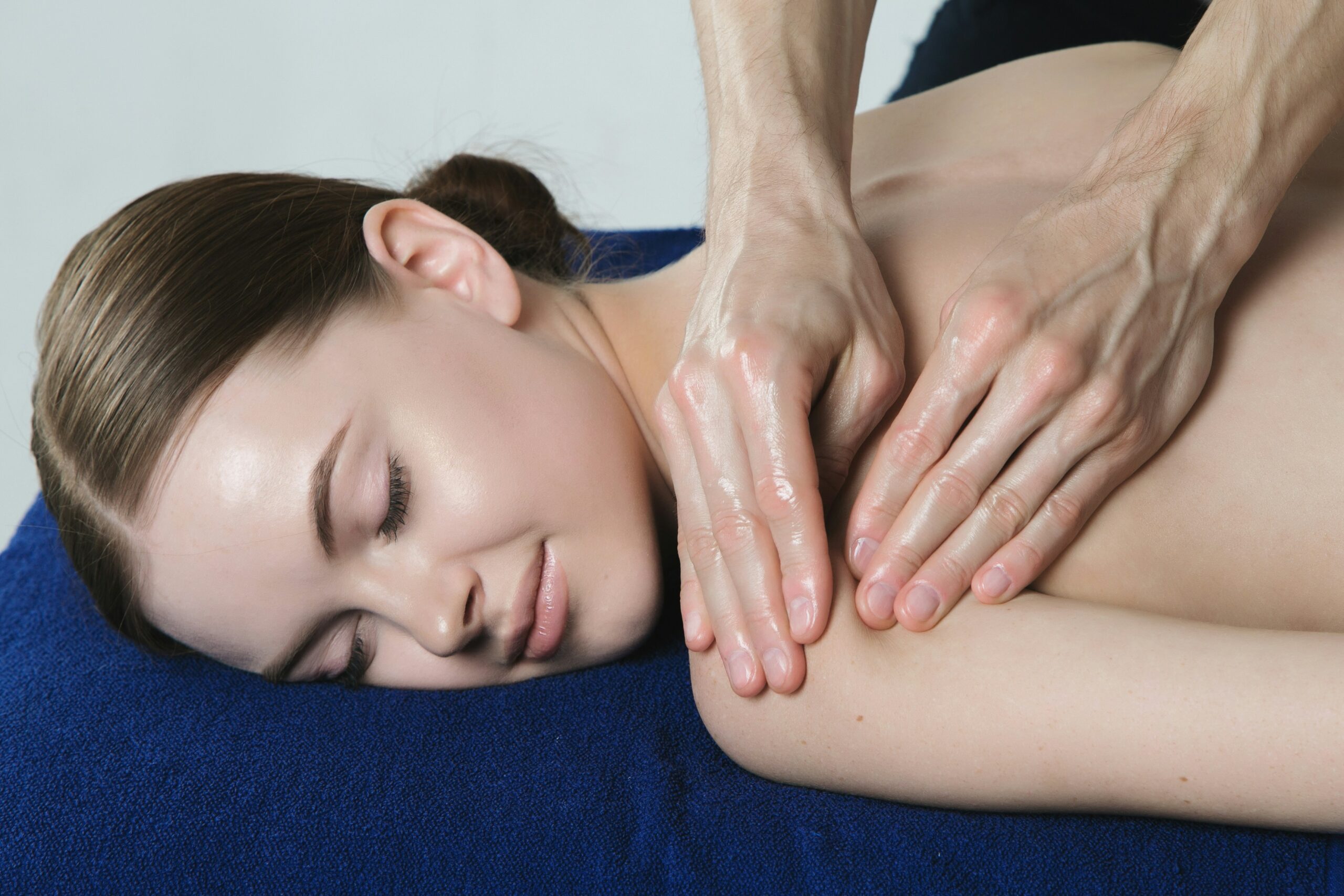
Shoulder pain (which affects one in four Americans) can interrupt your daily life, especially when it involves the rotator cuff. Whether you’re an athlete, weekend warrior, or someone who spends long hours at a desk, discomfort in the shoulder can limit movement and reduce quality of life.
Many people are now exploring massage for rotator cuff issues as a natural, effective way to improve mobility and reduce pain. In this post, we’ll discuss what the rotator cuff is, common injuries that affect it, and how massage can play an important role in your recovery.
Let’s get started!
What Exactly Is the Rotator Cuff?
The rotator cuff is a group of four muscles and tendons that surround the shoulder joint. These muscles work together to stabilize the shoulder and allow a wide range of motion.
Because the shoulder has the greatest range of motion of any joint in the body, the rotator cuff plays a critical role in everyday activities like lifting, reaching, and throwing. When these muscles and tendons are strained, torn, or inflamed, it can lead to significant discomfort and reduced shoulder function.
Understanding the anatomy of the rotator cuff helps explain why injuries are so common. This complex system of muscles and tendons must support the entire weight of your arm and handle repetitive motion. Over time, even small strains can develop into chronic pain if not properly treated.
This makes early intervention and appropriate therapy essential.
Common Rotator Cuff Injuries
Rotator cuff injuries range from mild inflammation to full tendon tears. Some of the most common conditions include rotator cuff tendinitis, bursitis, partial tears, and full-thickness tears.
Rotator cuff tendinitis occurs when the tendons become irritated and inflamed, often from repetitive overhead movements. Bursitis can accompany tendinitis, causing swelling in the cushion between the tendon and bone.
Partial tears involve damage to some, but not all, of the tendon fibers, while full-thickness tears result in a complete separation of the tendon from the bone. Symptoms of these injuries can include pain when lifting the arm, weakness, and difficulty with everyday tasks like reaching behind your back.
Most people seek non-surgical treatment options before considering more invasive procedures. Physical therapy, rest, ice, and therapeutic massage are all commonly recommended. Early treatment helps prevent the condition from worsening and supports faster recovery.
The Best Massage for Rotator Cuff Injuries
When exploring massage for rotator cuff relief, it’s important to choose techniques that improve circulation, reduce muscle tension, and support healing without causing further irritation.
The best massage approaches for rotator cuff issues include deep tissue massage, myofascial release, and trigger point therapy.
Deep tissue massage focuses on reaching deeper muscle layers to break up adhesions and ease chronic muscle tension. Myofascial release works on the connective tissue around the muscles to improve mobility and reduce stiffness. Trigger point therapy helps relax specific tight spots in the shoulder and upper back that can refer pain to the rotator cuff.
A trained massage therapist will assess your specific condition and adjust pressure and techniques accordingly. Massage for rotator cuff injuries can also improve blood flow to the affected area, bringing nutrients that support tissue repair. Combined with stretching and strengthening exercises, massage plays a crucial role in a comprehensive recovery plan.
Recover Faster at Simply Massage
If shoulder pain from a rotator cuff injury is holding you back, massage for rotator cuff relief could be a key part of your healing journey.
At Simply Massage in Avon, Colorado, our skilled therapists specialize in therapeutic techniques designed to reduce pain, improve mobility, and support long-term shoulder health.
Contact us today at 970-748-1600 or book a session online and take the first step toward a stronger, more flexible shoulder!